
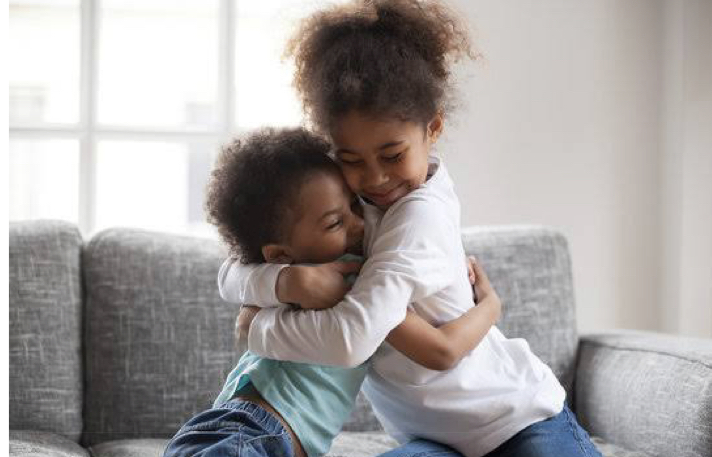

Sibling relationships are a unique blend of love, rivalry, camaraderie, and occasional disagreements. Growing up with siblings can shape our lives in profound ways, but it is not uncommon to encounter challenges along the way. From petty arguments to deeper conflicts. Sibling issues can test our patience and emotional resilience. However, with understanding, effective communication, and a willingness to address problems, it is possible to foster healthier and more harmonious relationships with our brothers and sisters.
Sibling relationships are intricate and complex. They often involve a mix of love, loyalty, competition, and jealousy. Siblings share a common history, experiences, and familial bond, which can influence their interactions. Recognizing the unique dynamics of sibling relationships is essential in understanding the sources of conflict and addressing them effectively.

Competition and Comparison:
Siblings often find themselves competing for attention, parental approval, or achievements. Constant comparison can lead to feelings of inadequacy and resentment.
Birth Order Effects:
Birth order can shape sibling dynamics, with older siblings assuming leadership roles and younger ones striving for independence or vying for attention.
Personality Differences:
Siblings may possess contrasting personalities, interests, or values, which can lead to misunderstandings and clashes.
Power Struggles:
As siblings mature, they may challenge established roles and assert their independence, causing conflicts over decision-making or control within the family.
Open and Honest Communication:
Encourage open dialogue where siblings can express their feelings, concerns, and perspectives. Active listening and empathy can foster understanding and defuse conflicts.
Respect Boundaries:
Respecting each other's personal space, possessions, and opinions helps create an atmosphere of mutual respect and reduces potential sources of conflict.
Find Common Ground:
Discover shared interests or activities that can bring siblings together and foster a sense of camaraderie.
Conflict Resolution Skills:
Teach siblings to resolve conflicts constructively, promoting compromise, negotiation, and problem-solving skills.
Seek Mediation:
In more complex or persistent conflicts, involving a neutral third party, such as a family therapist or counselor, can provide guidance and facilitate productive discussions.
Conclusion
Sibling relationships can be both challenging and rewarding. By acknowledging and addressing common sibling issues, practicing effective communication, and fostering a supportive environment, it is possible to build stronger bonds and resolve conflicts. Remember, sibling relationships are a lifelong journey, and investing in nurturing these connections can lead to lifelong companionship, support, and understanding.